In 2025, the Western Balkans made many strides in regional cooperation, socio-economic development, and European integration through a multitude of events, forums and initiatives organized within the framework of the Berlin Process. The first milestone of 2025 had been the Joint Declaration on the Creative Economy, adopted by the ministries of culture from Albania, Bosnia and Herzegovina, Kosovo, Montenegro, North Macedonia and Serbia. The declaration emphasized regional collaboration, policy alignment, funding mechanisms, and access to international programs, with the British Council launching a regional creative fund to support entrepreneurs and expand market access. In the same vein, economic cooperation was furthered at the 11th Western Balkans Purchasing Initiative in Nuremberg, reinforcing cooperation between German companies and regional economic actors.
Gender equality emerged as a central priority, culminating in the 2025 Gender Equality Forum expanding participation to civil society, journalists, and women in law enforcement. Producing concrete commitments, it led to the establishment of a Regional Network of Women Diplomats and asserted its engagement with global initiatives to push back against online harassment, as well as renewing efforts at achieving regional gender equality. Youth empowerment was similarly highlighted at the Western Balkans Youth Forum, organized by RYCO, where over 100 participants addressed security, migration, economic development, and resilience. Key recommendations focused on enhancing mobility, expanding digital and green job opportunities, fostering interethnic trust, and strengthening youth participation in decision-making, ensuring young voices remain central to regional reforms.
The Civil Society and Think Tank Forum in Podgorica brought together over 150 participants to debate policy recommendations on security, reconciliation, good governance, economy, gender and environment. It highlighted the prime importance of civil society’s role in democratic accountability in the region. The 19th Annual Agricultural Ministers’ Meeting in Pristina prioritized sustainable, resilient, and EU-aligned agriculture, with a focus on green transition, digitalization, sustainable forestry, and empowering rural youth and women.
The International Agreement on Data Exchange for Asset Verification has enhanced mechanisms and efforts to prevent corruption, while the WB6 Business & Chambers Forum focused on advancing the Common Regional Market, boosting trade and alignment with EU standards. Diplomatic cooperation was strengthened at the Hillsborough Castle Foreign Ministers’ Meeting, where WB6 and EU partners discussed migration, security, economic growth, gender equality, and reconciliation. The Hillsborough Castle Declaration on Good Neighbourly Relations was adopted, alongside the creation of a regional network for women in diplomacy. Environmental priorities were advanced at the Dubrovnik Green Agenda Ministerial Meeting, resulting in the Dubrovnik Declaration and Revised Green Agenda Action Plan 2025–2030, with targets for climate neutrality, plastic pollution reduction, biodiversity protection, and coordinated donor support. Security cooperation was reinforced at the Interior and Security Ministers’ Meeting in London, emphasizing border management, organized crime, illicit finance, gender-based violence, and compliance with international conventions.
Science, research, and innovation were highlighted at the 9th Joint Science Conferences in Ljubljana, focusing on academic freedom, science-driven growth, and empowering youth to strengthen democratic and open societies. Economic integration was advanced at the Economy Ministers’ Meeting in London, addressing the Common Regional Market, digitalization, infrastructure connectivity, green growth, and inclusive opportunities for women and minority groups. Cultural diplomacy was celebrated at a Royal Reception in London, showcasing the Western Balkans’ creative industries and fostering collaboration in arts, innovation, and youth engagement.
The year culminated with the 2025 Berlin Process Summit in London, bringing together heads of government and high-level representatives from the region, the UK, and the EU. The summit reaffirmed the platform’s central role in promoting regional cooperation, EU integration, and socio-economic development. Leaders highlighted progress on the Common Regional Market, digital and green initiatives, mobility programs, gender equality, and inclusive governance, emphasizing the importance of sustained reforms, political dialogue, and practical action. Across all events, 2025 demonstrated that youth empowerment, civil society engagement, sustainable development, good governance, and regional cooperation are the key drivers of a more stable, prosperous, and European Western Balkans.
 May 28, Kotor, Montenegro
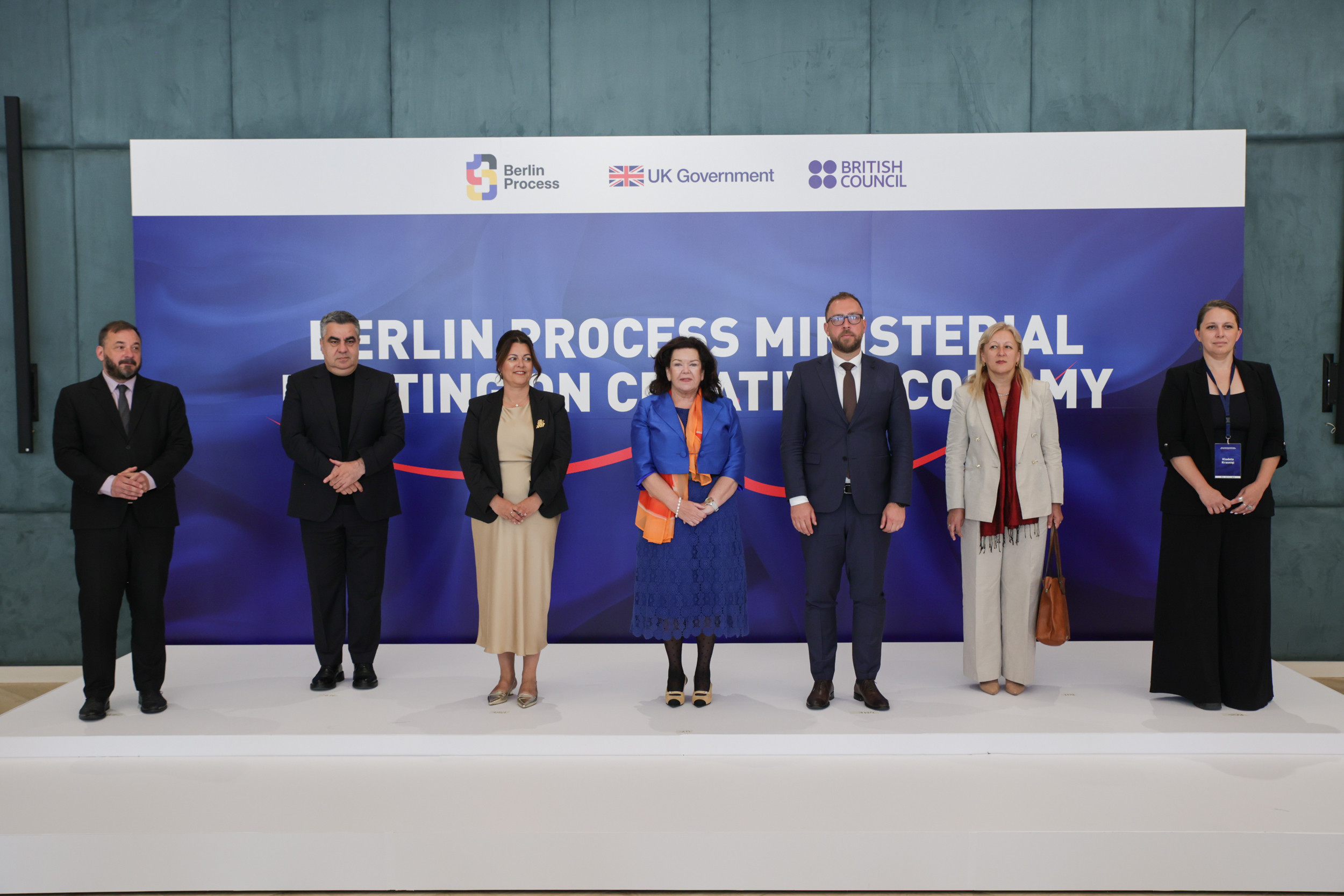
Culture ministries from Albania, Bosnia and Herzegovina, Kosovo, Montenegro, North Macedonia, and Serbia met under the Berlin Process framework and adopted a Joint Declaration on the Creative Economy, highlighting culture and creativity as key drivers of economic growth, innovation, and social cohesion.
For the first time within the Berlin Process, the creative economy has been formally recognised as a strategic sector. The ministries committed to strengthening regional cooperation, improving data collection and monitoring systems, and promoting the sector’s contribution to employment and sustainable development.
The declaration urges governments to align cultural, educational, and economic policies, create stable public funding mechanisms, attract private investment, and facilitate access to EU and international programmes such as the Western Balkans Growth Plan and Horizon Europe.
The meeting was co-organised by the Ministry of Culture and Media of Montenegro, the UK’s Special Envoy for the Western Balkans, and the British Council. It highlighted the increasing relevance of creative industries in the region’s digital transition and economic transformation.
Building on this momentum, the British Council will launch a regional creative fund later this year to support entrepreneurs in scaling their ideas and expanding access to international markets.
The forum concluded with a shared understanding that the creative economy holds significant potential to support inclusive growth and deepen regional ties.
Picture: Media Solution for British Embassy Podgorica
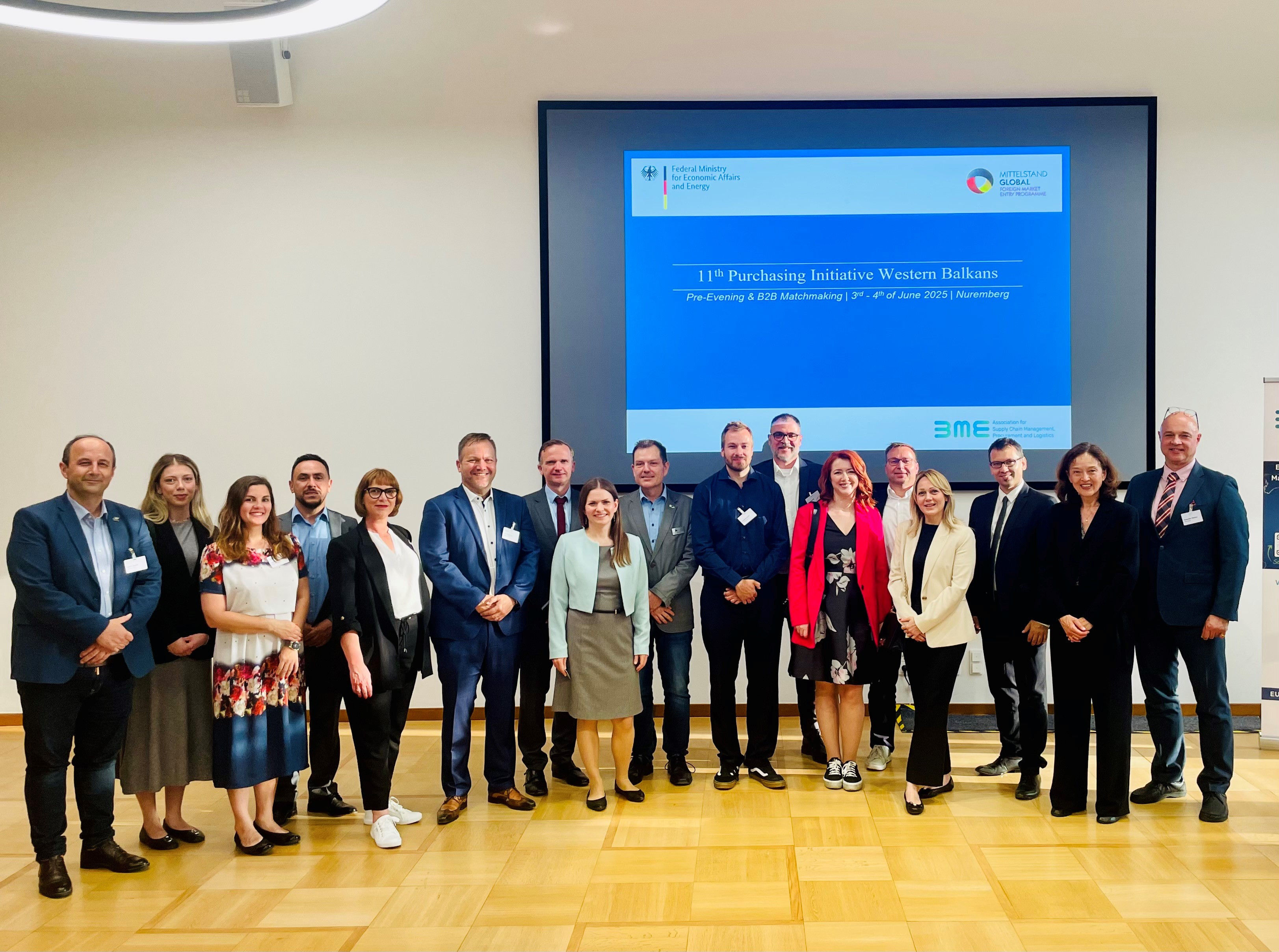 June 3-4, Nuremberg, Germany
On 3–4 June, the 11th Western Balkans 2025 Purchasing Initiative took place at the Nuremberg Chamber of Commerce and Industry, with 24 German companies, over 80 selected suppliers and over 200 planned B2B meetings. Financed by the Market Development Programme (MEP) of the BMWE, implemented by the GTAI, BME and the AHK network, the purchasing initiative is one of the first projects in the Berlin Process and brings together buyers from German companies with potential suppliers from the Western Balkans, Croatia and Slovenia. It is a concrete contribution to exploiting the nearshoring potential of the Western Balkans. Further information and impressions can be found here.
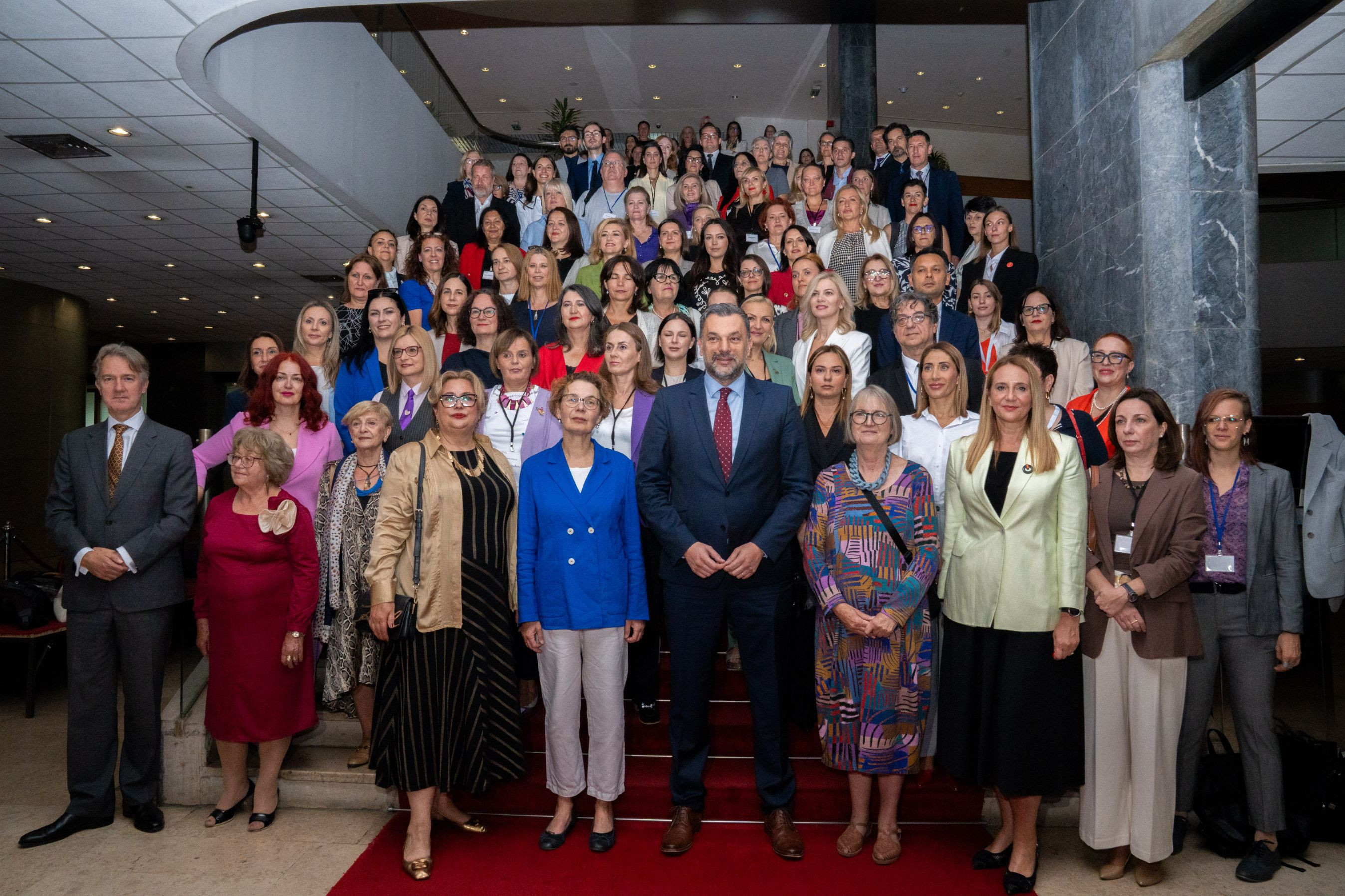 September 10, Sarajevo, Bosnia and Herzegovina
The Gender Equality Forum, held within the framework of the Berlin Process and convened on behalf of the Government of the United Kingdom, the Government of Bosnia and Herzegovina, and the Federal Government of Germany, implemented by GIZ, has reaffirmed its role as a permanent and visible pillar within regional cooperation efforts.
This year’s forum marked a turning point: moving from dialogue and recommendations toward concrete action and accountability.
The Forum consolidated its role as a permanent structure within the Berlin Process, confirming its central place in shaping regional cooperation. For the first time, participation expanded well beyond governments, parliaments, and local authorities to include civil society, journalists, and women from police forces across all WB6. This inclusiveness has made the Forum the most representative platform of the Berlin Process, bringing forward perspectives often absent from high-level diplomacy. Importantly, the Forum also generated strong political will to maintain gender equality as a priority on both the regional and European agendas.
The following commitments, set to be endorsed at Ministerial level, reflect the Forum’s shift from dialogue to implementation and define the concrete steps ahead:
• Regional Network of Women Diplomats: A new platform to strengthen women’s leadership, cooperation, and peer learning across the region, with the kick-off meeting to be hosted in Sarajevo at the end of October to define structure, priorities, and working methods.
• Renewal of the Joint Statement on Gender Equality Mechanisms and Protection against Discrimination: Ensuring continuity, shared benchmarks, and reinforced accountability among WB6 institutions, while guiding institutional cooperation and alignment with EU standards.
• Commitment to the Global Partnership on Gender-Based Online Harassment and Abuse: Linking regional efforts with global initiatives to safeguard women’s rights in digital spaces, opening opportunities for joint projects, capacity-building, and greater international visibility.
• Continued Partner Support: Sustained engagement from Germany, the UK, and the EU will be crucial to maintain momentum and ensure implementation.
The 2025 Forum represents a decisive step forward - transforming the recommendations of 2024 into concrete action and government accountability. By building lasting structures and fostering collective commitments, the Forum ensures that gender equality is no longer a side issue but a core principle of regional cooperation and EU integration for the Western Balkans.
Read more about the concrete steps and shared commitments behind this progress here.
Over 100 young people from the Western Balkans gathered at the Western Balkans Youth Forum 2025, a flagship initiative organized by the Regional Youth Cooperation Office (RYCO) and supported by the UK Government, under the umbrella of the Berlin Process. This year’s Forum marked a decisive step toward embedding youth leadership in addressing some of the region’s most pressing challenges—security, migration, and economic development.
Building Resilient Societies through Youth Inclusion
Against a backdrop of global instability, economic uncertainty, and social fragmentation, the Forum explored how resilience can only be built by placing youth at the core of policy and practice. Participants from across the region engaged with high-level representatives from governments, international organizations, and civil society in a series of interactive sessions that underscored one clear message: youth are not just beneficiaries of peace and prosperity—they are essential drivers of it.
In the opening plenary, RYCO Secretary General Vladimir Obradović called for a “reimagining of mobility” as an opportunity, rather than a loss. He emphasized that preventing brain drain in the Western Balkans requires a deeper commitment to creating meaningful jobs, investing in digital and green skills, and ensuring that young people see a future for themselves within the region.
Youth as Peacebuilders and Innovators
The Forum featured a dedicated Security Day, which reframed the concept of security beyond the absence of violence to include social cohesion, inclusive governance, and digital resilience. Discussions ranged from countering disinformation to building trust across communities—highlighting the unique role of youth in peacebuilding processes.
Interactive Peer-to-Peer Skill Labs empowered participants to take ownership of topics such as climate diplomacy, entrepreneurship, intercultural exchange, and digital transformation. These sessions created space for knowledge-sharing and co-creation, strengthening the social fabric and amplifying youth agency across the region.
From Dialogue to Policy: Regional Youth Recommendations
A central outcome of the Forum was the presentation of the Western Balkans Youth Forum 2025 Recommendations. Developed through collaborative working groups, these proposals address key priorities:
- Enhancing mobility schemes for students and professionals
- Expanding access to digital and green economy jobs
- Promoting inclusive narratives that foster interethnic trust and collaboration
- Strengthening youth participation in decision-making structures at all levels
These recommendations will inform discussions at the upcoming Berlin Process Summit, ensuring that youth voices remain central to the region’s European integration and reform agenda.
A Platform for the Future
The Western Balkans Youth Forum continues to serve as a crucial bridge between grassroots youth engagement and high-level political dialogue. Past editions have contributed directly to the Regional Youth Agenda and the 2022 Berlin Declaration, demonstrating the tangible impact of youth-led initiatives on regional cooperation.
As the Berlin Process advances, initiatives like the Youth Forum reaffirm a shared commitment: to build a peaceful, connected, and resilient Western Balkans where young people are empowered to shape their own future.
You may find more information on the website of the Regional Youth Cooperation Office: Opening Ceremony and Youth Forum
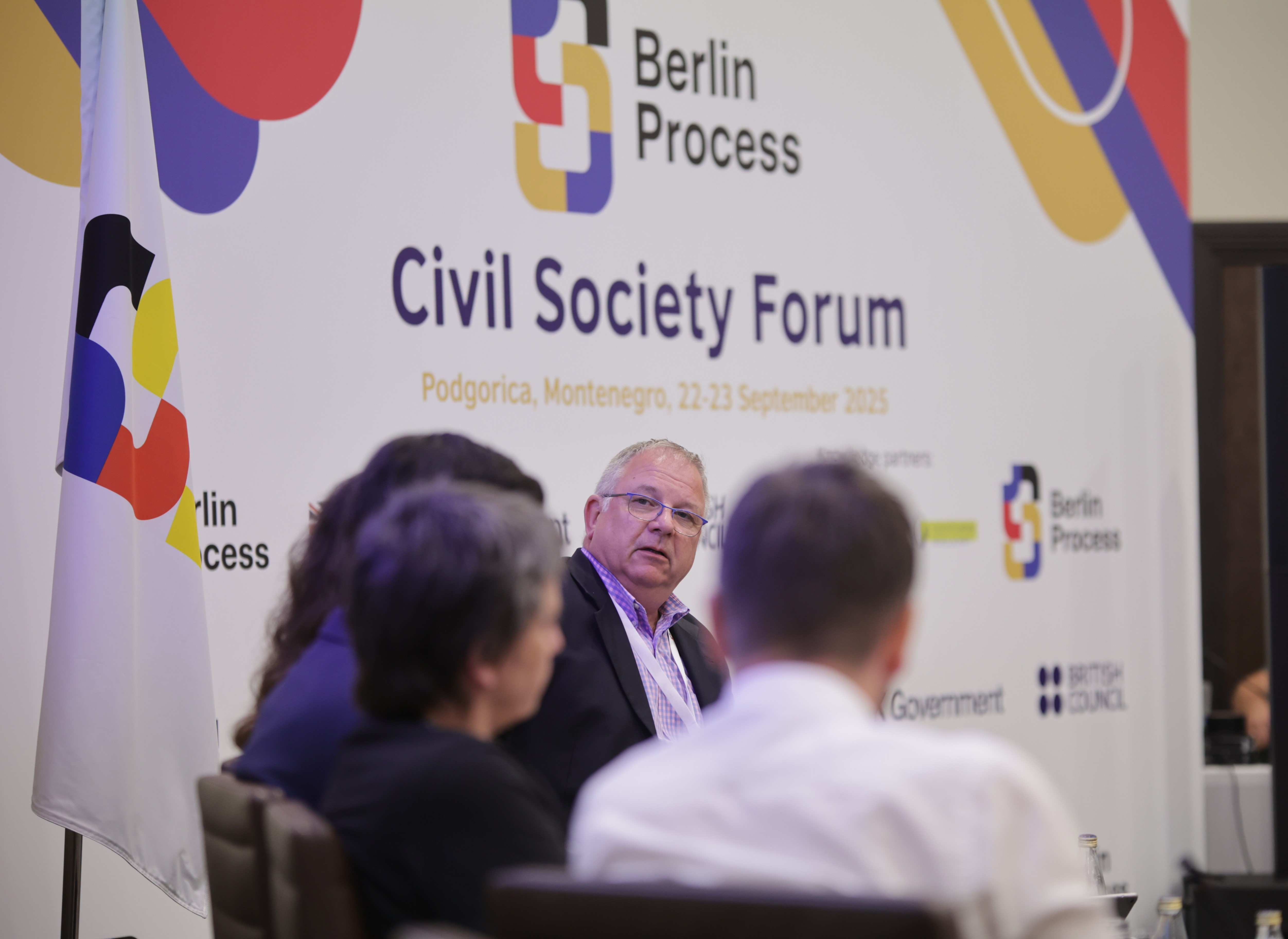
The Civil Society and Think Tank Forum (CSF) 2025 took place in Podgorica, Montenegro, on 22–23 September 2025. The Forum, convened by the British Council and financed by the UK Government, brought together over 150 participants from across the Western Balkans and Europe.
The Forum provided a structured platform for dialogue between civil society, academia, government, international organisations, and other stakeholders. Its purpose was to ensure that the perspectives of civil society and independent actors fed into the Berlin Process Ministerial Meetings and Leaders’ Summit. In this way, the Forum reaffirmed civil society’s role as a driver of democratic accountability, regional cooperation, and inclusive policymaking.
In summer 2025, extensive consultations were consolidated into thematic policy recommendations, which were then presented and debated during the two-day event in Podgorica. The Forum thus reflected not only the discussions that took place at the conference but also the wider civic voice of the region.
Discussions were organised around six main thematic areas: Good Governance; Security; Reconciliation and Dealing with the Past; Gender and Diversity; Common Regional Market and Growth; and Environment, Energy, and Decarbonisation. Each session combined the presentation of recommendations with panel exchanges and open debate. Thematic panels were complemented by four Spotlight themes: Media, Migration, Youth, and the Operating Environment for Civil Society, which addressed important cross-cutting issues.
The Civil Society and Think Tank Forum 2025 highlighted both the depth of challenges facing the Western Balkans and the resilience of civic actors who continue to advocate for democratic, inclusive, and sustainable reforms. Across all sessions, participants stressed that civil society is not a peripheral actor but an indispensable partner in shaping the region’s European future.
The Forum conveyed a sense of urgency and concern about the slow pace of reforms, the persistence of authoritarian tendencies, and the erosion of public trust. At the same time, they highlighted creativity, solidarity, and determination among civic actors. The overarching reflection is clear: the Western Balkans’ European future depends on embedding accountability, inclusivity, and sustainability into every reform – a task that requires cooperation between governments, institutions, and civil society.
You can read the CSF 2025 policy recommendations here
Ministers of Agriculture and Heads of Delegations from South Eastern Europe (SEE) gathered in Pristina on October 1st, 2025, for the 19th Annual Agricultural Ministers` Meeting, hosted by the Ministry of Agriculture, Forestry and Rural Development of Kosovo and the Regional Rural Development Standing Working Group (SWG RRD).
The Ministers adopted Ministers` Meeting Conclusions to be presented at the upcoming Berlin Process Leaders Summit, reaffirming that agriculture, food systems, rural development, and forestry are strategic to the region’s economic growth, environmental protection and long-term stability.
Participants emphasized the urgent need for concrete actions to build a sustainable, competitive and resilient agriculture sector firmly aligned with the European Union integration process.
Amid global and regional challenges - climate change, food and energy crises, biodiversity loss and market instability, the Ministers confirmed that enhanced regional cooperation, solidarity, and innovation are of a crucial importance.
The following priorities were agreed during the meeting:
- Advance EU and regional integration, with commitment to resolving bilateral and multilateral issues affecting the free movement of goods, services, people, and capital in agriculture and food sectors. Full alignment with EU acquis Chapters 11, 12, and 13 by 2030 remains a shared goal.
- Implement Pillar IV of the Green Agenda for the Western Balkans, transforming agriculture and food systems toward sustainability, resilience, and competitiveness, while integrating climate adaptation into strategic orientation and related investment and support policies.
- Accelerate green transition, digitalization, and knowledge exchange across the region.
- Promote sustainable forestry and natural resource management, recognizing forests as essential for climate action, biodiversity, and rural livelihoods.
- Foster investments in climate-resilient agriculture, renewable energy, circular economy solutions and resource-efficient technologies.
- Support fair income and competitiveness of farmers, through modernization and sustainable practices to enhance productivity and resilience in open markets.
- Ensure inclusiveness and transparency with strong stakeholder engagement including ministries, farmers, agribusinesses, and civil society, jointly to shape responsive policies.
- Empower rural communities, especially youth and women, and promote community-led local development through the LEADER approach.
- Strengthen regional and international cooperation, to amplify joint efforts and shared progress.
The Ministers and Heads of Delegations, reaffirmed their collective aspiration for EU integration, committed to translating these priorities into concrete actions for a greener, sustainable and more resilient future of the agriculture sector and rural areas in SEE.
Please find the Conclusions of the Ministers/ Heads of Delegations Responsible for Agriculture and Rural Development here .
Additional information you may find on the SWG website here .
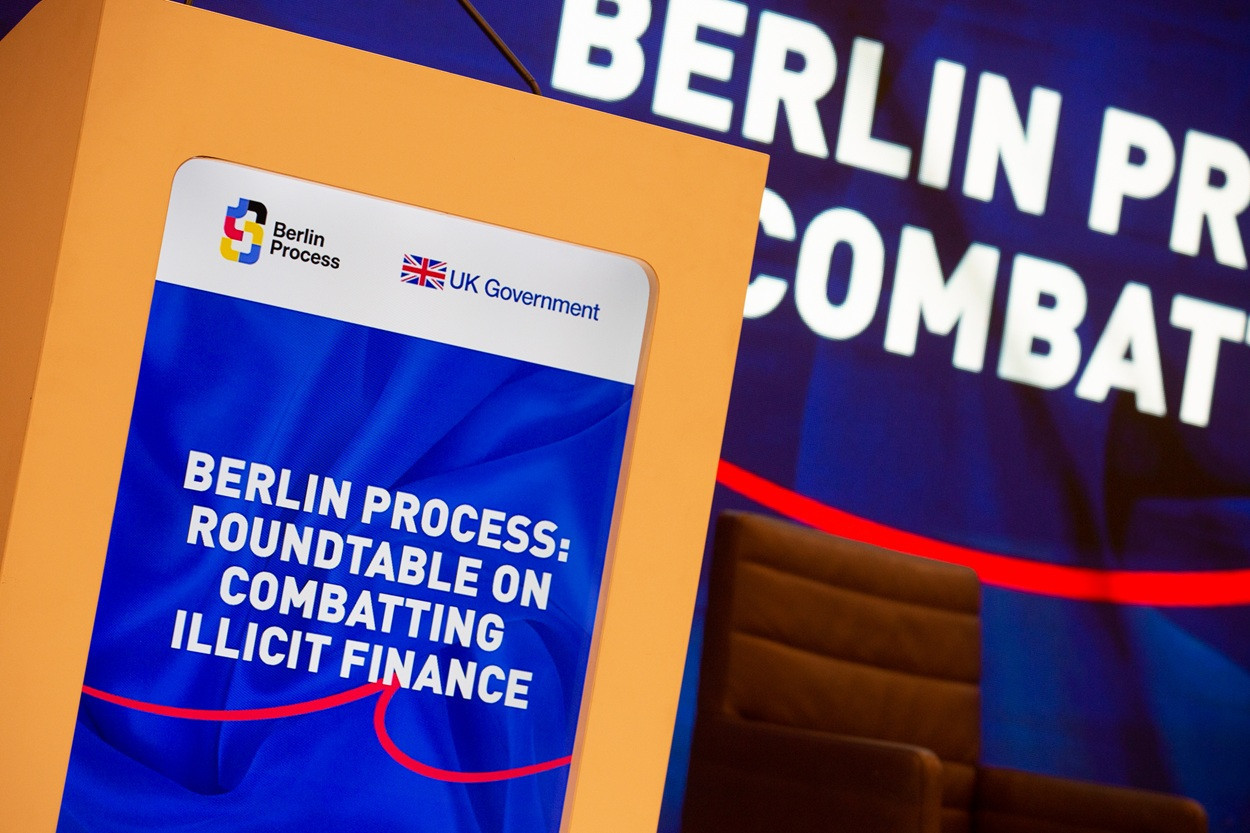 Representatives from the Western Balkans met in Podgorica for a Berlin Process side event on illicit finance. Hosted by the United Kingdom, the event brought together regional and international experts to discuss measures to strengthen financial integrity and support the Western Balkans on their EU path.
British Ambassador to Montenegro, Dawn McKen, said that “Tackling illicit finance is not just a technical priority, it is a political and economic one that affects citizens every day. Recovering assets, improving transparency, and formalising the economy are key to building trust in institutions and creating fair, resilient, and prosperous economies. The UK is proud to support the Western Balkans six countries in taking these practical steps and reinforcing the region’s European path."
The discussions focused on three areas:
• Asset Recovery: Deterring crime and ensuring accountability.
• Transparency in Beneficial Ownership: Tackling business anonymity that enables corruption and illicit financial flows.
• Reducing Informality: Tackling informal economic activity to prevent money laundering and strengthen state oversight.
Key organisations supporting the event included the World Bank, Internationale Zusammenarbeit (GIZ) GmbH, the AIRE Centre and the Czech Police. Participants explored practical actions to combat illicit finance, strengthen institutions, and enhance transparency across the region.
This high-level regional event brought together ministers, senior government officials, representatives of international organizations and diplomatic missions, and members of civil society. Participants exchanged experiences and best practices in combating corruption, emphasizing the role of transparency, accountability, and cross-border collaboration in advancing European integration and regional stability.
The event coincided with the entry into force of the International Agreement on Data Exchange for the Verification of Asset Declarations — a landmark achievement that enhances transparency and strengthens mechanisms for preventing corruption. This development was hailed as a historic step in the region’s collective efforts to ensure integrity in public service.
Representatives from the European Union, the United Kingdom, Austria, and regional governments underlined the political, economic, and societal importance of the fight against corruption. They highlighted the need for strong political will, effective implementation of laws, and active engagement of civil society in promoting integrity, transparency, and trust in public institutions.
Participants concluded the event by reaffirming their collective commitment to combating corruption and supporting the forthcoming Regional Agreement on Asset Sharing. They emphasized that corruption poses not only an economic challenge but also a threat to regional stability and security. Strengthening integrity systems, enhancing monitoring mechanisms, and fostering multi-stakeholder partnerships were identified as key steps forward.
Participants also recognized the link between corruption and migration trends, stressing the need for effective monitoring tools and integrity indicators to measure progress and ensure accountability.
This regional event, organized as a key side activity of the Berlin Process, was jointly hosted by the Government of the United Kingdom, the Regional Anti-Corruption Initiative (RAI), the Ministry of Justice of Bosnia and Herzegovina, and the Ministry of Foreign Affairs of Bosnia and Herzegovina, with the support of HELVETAS Swiss Intercooperation, the EU Police Assistance for BiH (EUPA4BIH), the AIRE Centre – Western Balkans Programme, and the Austrian Development Agency (ADA).
For a closer look at the discussions and outcomes, explore the Post-Event Summary Report, Policy Brief, and Event Highlights Video, as well as on the Regional Anti-Corruption Initiative website.
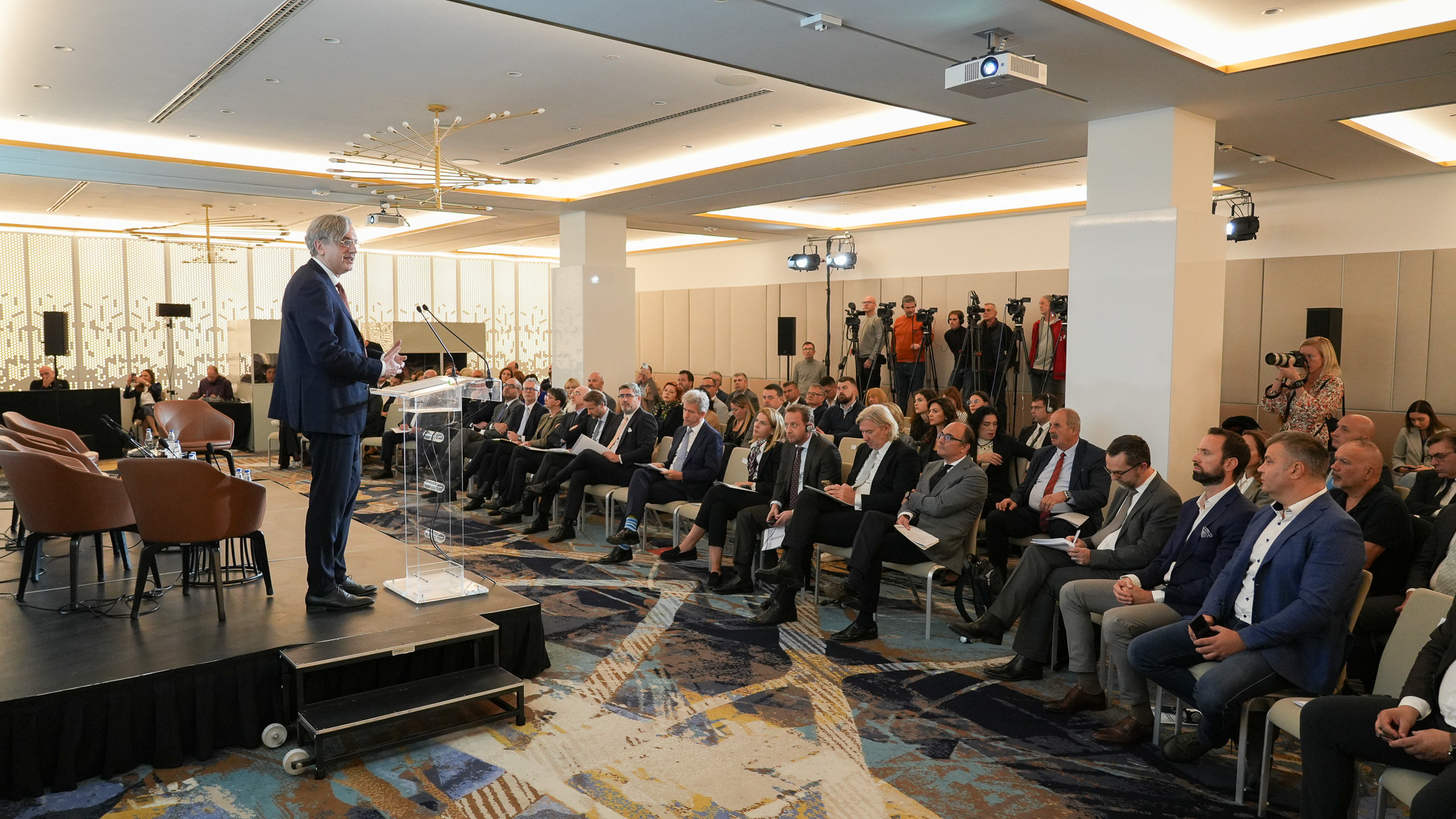
The Serbian Chamber of Commerce and Industry hosted the Berlin Process WB6 Business & Chambers Forum, held on 7 October 2025 in Belgrade under the auspices of the 2025 Berlin Process. The Forum brought together representatives of businesses and Business Chambers from the region for intense discussions on facilitating greater regional trade via the Common Regional Market (CRM).
After a video message from the UK Minister of State for Europe, North America and Overseas Territories Stephen Doughty MP, introductory remarks were made by President of the Serbian Chamber Marko Cadez, UK Ambassador to Serbia Edward Ferguson and Head of the EU Delegation to Serbia Andreas von Beckherath. Serbian Government Minister for European Integration Nemanja Starovic gave an opening speech. The Forum featured panel discussions on enhancing business opportunities through the Common Regional Market and the EU single market.
A policy brief, endorsed by WB6 Business Chambers, summarised the Forum’s recommendations and was presented at the meeting of Economic Ministers of the Berlin Process, held in October 2025.
You can read the policy brief here.
On 9 October 2025, the United Kingdom Secretary of State for Foreign, Commonwealth and Development Affairs, The Rt Hon Yvette Cooper MP, welcomed the Foreign Ministers of the Western Balkans Six (WB6) - Albania, Bosnia and Herzegovina, Kosovo, Montenegro, North Macedonia and Serbia - and their counterparts from Austria, Bulgaria, Croatia, Germany and Slovenia to Hillsborough Castle in Northern Ireland for the 2025 Foreign Ministers’ Meeting of the Berlin Process. Representatives from France, Greece, Italy, Poland, the European Union, the Regional Cooperation Council (RCC) and the Regional Youth Cooperation Office (RYCO) also participated in the meeting.
Plenary discussions focused on tackling illegal migration and other shared threats to European security, driving economic growth through closer regional and European integration, promoting gender equality and advancing peace and reconciliation in the region.
In recognition of the significance of Hillsborough Castle as a location for peace and reconciliation, Ministers heard valuable lessons from the Northern Ireland experience, with important contributions from the First Minister and Deputy First Minister of Northern Ireland, Michelle O’Neill and Emma Little-Pengelly, Tánaiste Simon Harris of the Republic of Ireland, and UK Secretary of State for Northern Ireland, the Rt Hon Hilary Benn MP.
The Western Balkans Six and all Berlin Process partner governments reaffirmed their commitment to this important agenda by agreeing the Hillsborough Castle Declaration on Good Neighbourly Relations, broadening and deepening the agreements under Germany’s chairmanship in 2024 and the last UK chairmanship of the Berlin Process in 2018.
Among other important achievements of the meeting was a joint declaration by WB6 Foreign Ministers on the role of women in diplomacy, establishing a regional network to advance regional cooperation and demonstrate a shared commitment to gender equality as a fundamental pillar of modern, effective and inclusive diplomacy.
Further information on the meeting and its outcomes can be found here and in the full Chair’s Conclusions.
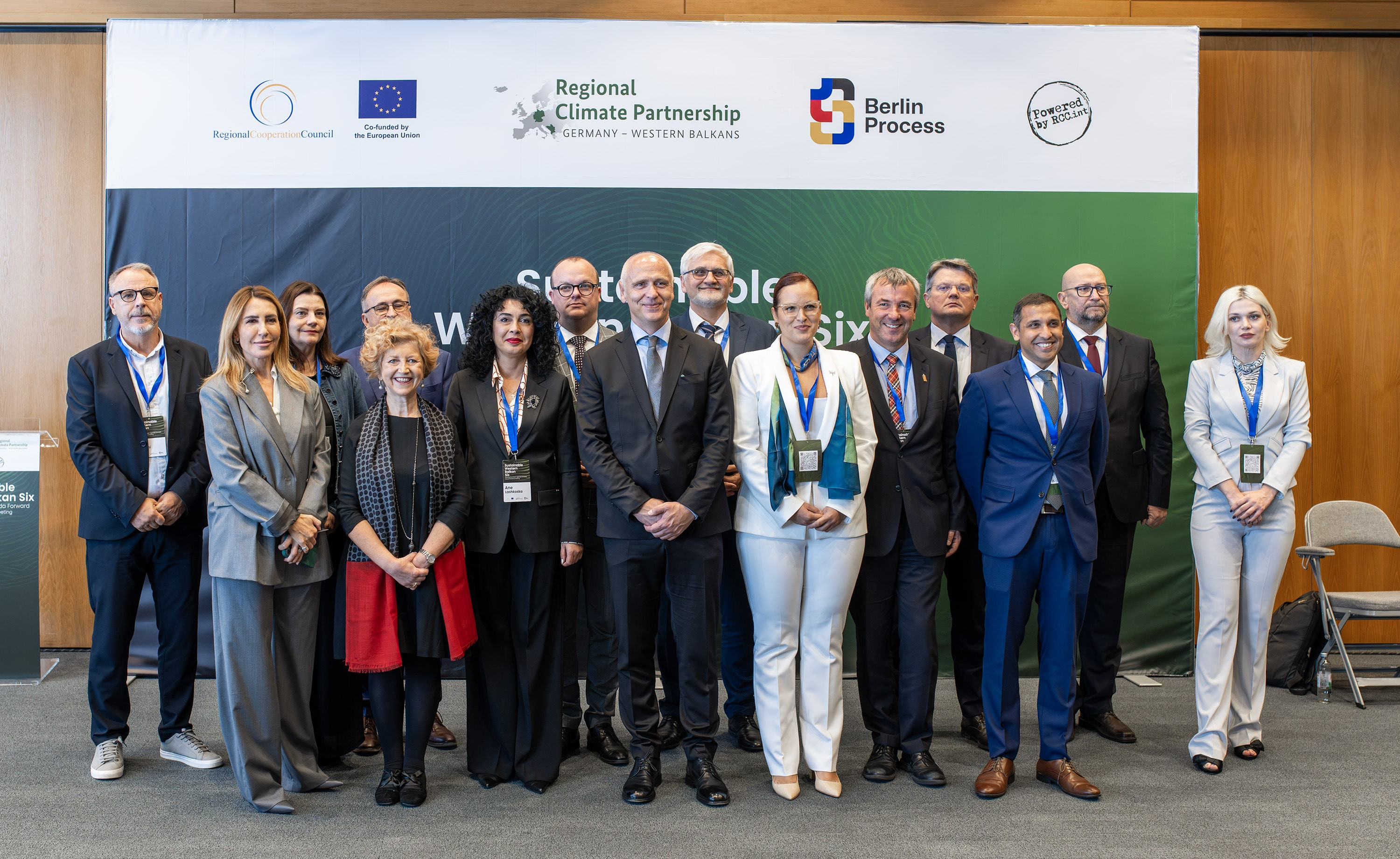
Ministers of environment and sustainable development from across the Western Balkans gathered in Dubrovnik for the Second Ministerial Meeting on the Green Agenda for the Western Balkans, held under the 2025 Berlin Process. The meeting concluded with the endorsement of the Dubrovnik Declaration, a landmark commitment advancing the region’s path toward climate neutrality and closer alignment with the European Green Deal.
Organised by the Regional Cooperation Council (RCC) in cooperation with Germany’s Federal Ministry for Economic Cooperation and Development (BMZ), under the Regional Climate Partnership between Germany and the Western Balkans, and supported by the European Commission, the Government of Croatia, and the United Kingdom’s 2025 Berlin Process Chairmanship, the meeting marked a major milestone in the region’s coordinated approach to sustainable growth and energy transition. Croatia, the EU’s most recent member, hosted the event and shared its experience on climate policy integration and accession reforms.
The Dubrovnik Declaration reaffirms the Western Balkans’ commitment to the European Green Deal and introduces the Revised Green Agenda Action Plan 2025–2030, setting measurable regional targets for the next phase of implementation. The declaration also lays the groundwork for a Climate Adaptation Roadmap, a Regional Action Plan on Plastic Pollution Prevention, and an Outline of a WB6 Biodiversity Strategic Plan to restore nature and protect at least 30% of land and marine areas.
The Ministerial Meeting was followed by a Donor Coordination Meeting on the Green Agenda for the Western Balkans, which convened international financial institutions, development partners, and Western Balkans authorities. Discussions focused on aligning investments, addressing funding gaps, and enhancing coordination to accelerate green transition efforts. The meeting also previewed the Green Agenda for the Western Balkans (GAWB) Observatory, a new digital platform developed by the RCC to improve donor coordination, data transparency, and progress monitoring for regional green projects.
The Dubrovnik meetings showcased the region’s determination to turn ambition into action — accelerating the transition toward clean energy, sustainable economies, and climate resilience under the Berlin Process framework.
More information you may find here. Additionally, the revised Green Agenda Action Plan as well as Information Material on RCC-led deliverables is available online.
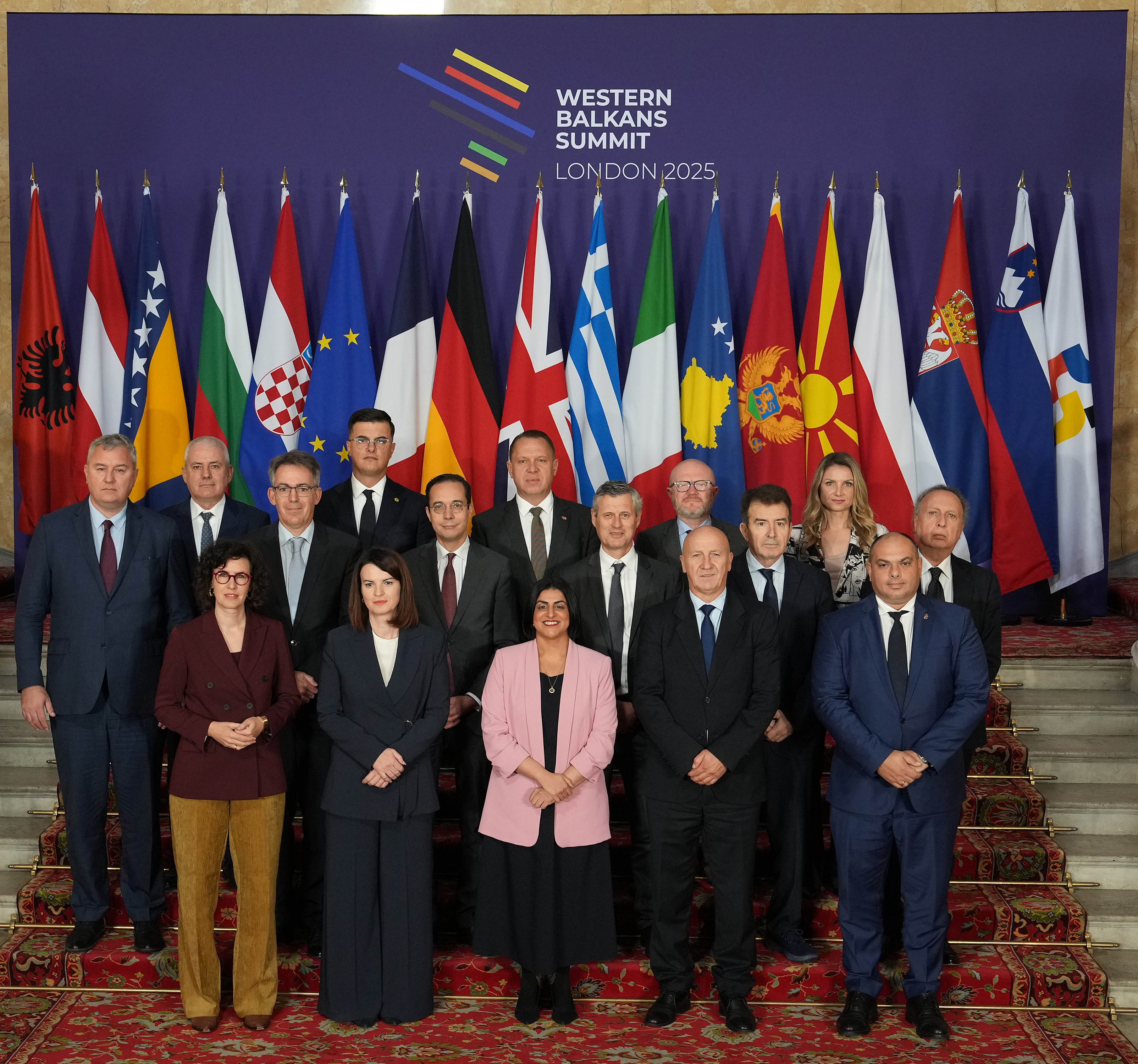
Ministers of Interior and Security from the Western Balkans Six, the United Kingdom, and representatives of the European Union and its Member States met at Lancaster House on 15 October in London, chaired by the Rt. Hon. Shabana Mahmood, UK Secretary of State for the Home Department. The meeting reaffirmed the region’s shared commitment to cooperation on security, migration, and the fight against organised crime and gender-based violence.
Participants underlined that effective border security is essential for ensuring public trust and regional stability. Ministers agreed to strengthen cooperation to prevent irregular migration and dismantle organised immigration crime, building on partnerships with Frontex and other international actors. They endorsed the continuation of the Western Balkans Border Directors Forum as part of the Berlin Process, as a permanent platform for information exchange, improving operation cooperation, and sharing best practices.
Discussions also focused on tackling serious and organised crime, including illicit finance, corruption, and drug trafficking. Ministers agreed to deepen collaboration through data-driven operations and intelligence sharing with the support of the UK National Crime Agency. Ministers agreed to develop digital payment infrastructure in cash-intensive sectors to prevent money laundering by organised crime gangs. They reaffirmed support for the Western Balkans Small Arms and Light Weapons (SALW) Control Roadmap 2025–2030, jointly implemented by the South Eastern and Eastern Europe Clearinghouse for the Control of Small Arms and Light Weapons and the Regional Cooperation Council. Ministers committed to strengthening the political and legal environment to prevent and combat corruption, such as through advancing the adoption of the International Treaty on the Exchange of Data for the Verification of Asset Declarations, initiated by the Regional Anti-Corruption Initiative.
A key focus was on combatting Violence Against Women and Girls, including online and technology-facilitated abuse. Ministers reaffirmed their commitment to the Council of Europe’s Istanbul Convention, the Convention on Action against Trafficking in Human Beings, and the UN Convention on the Elimination of All Forms of Discrimination Against Women. The Western Balkans partners announced their intention to join the Global Partnership for Action on Gender-Based Online Harassment and Abuse and recommendation on renewal of the Joint Statement on Gender Equality Mechanisms and Protection against Discrimination, promoting accountability and cooperation across the region.
Across all topics, participants reaffirmed their collective commitment to safeguarding security, democracy, and prosperity in the Western Balkans through continued regional cooperation and shared action under the Berlin Process.
Further information on the meeting and its outcomes can be found here and in the full Chair’s Declaration (click here to download).
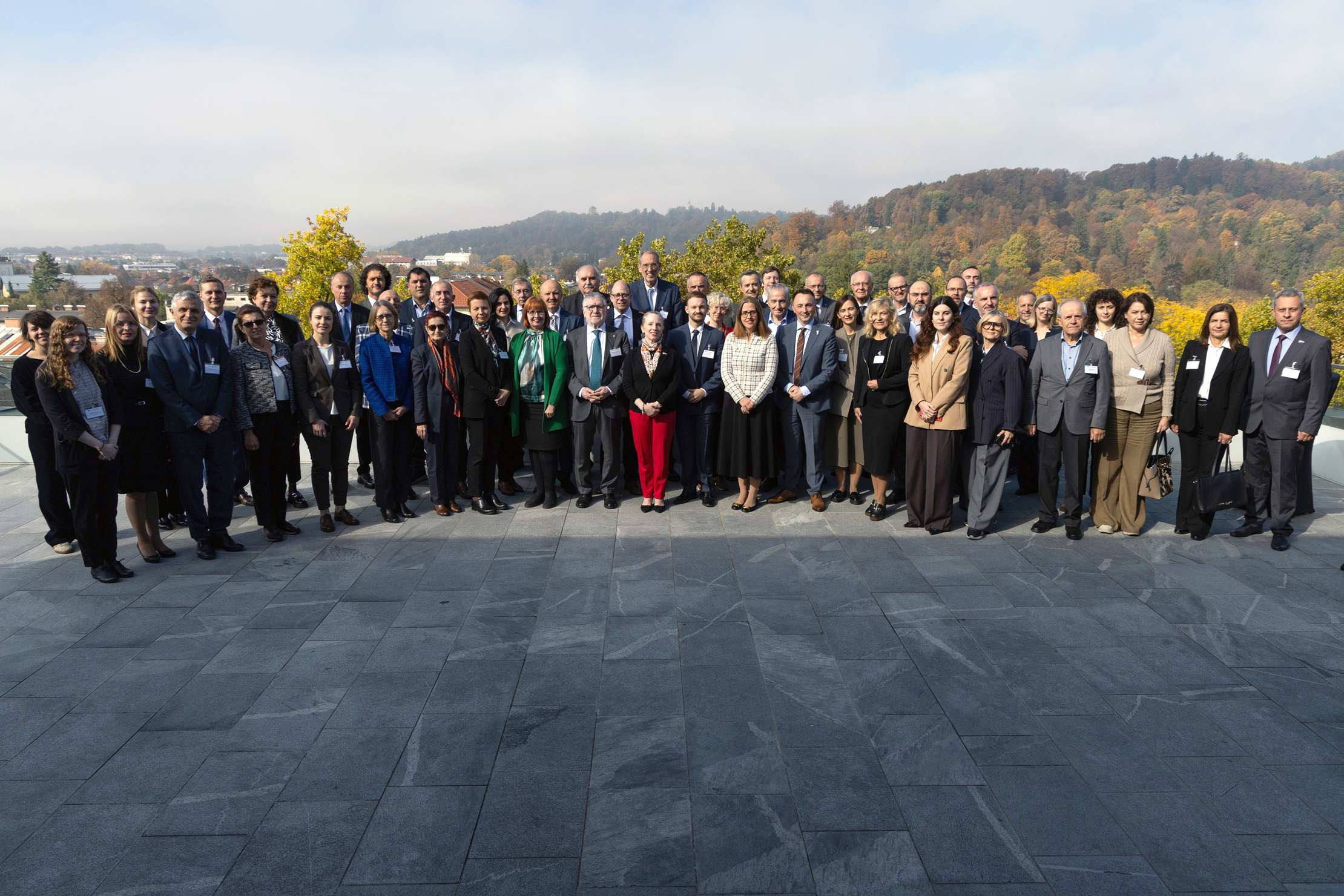
The 9th Berlin Process Joint Science Conferences, organised by the German National Academy Leopoldina and the UK’s Royal Society, convened academics and experts from across the Western Balkans and Europe. Held in Ljubljana the conference explored how the challenges facing the region’s education, research, and innovation sectors also hold opportunities for renewal and progress in times of growing pressure and rising expectations. It focused on protecting academic freedom and the autonomy of scientific organisations; advancing science as driver of growth and competitiveness; reinforcing security and societal resilience through science; and enabling universities to reclaim their space in the public sphere to strengthen democracy and open societies. The young generations carry a key responsibility in this.
You can read the Joint Statement here.
testtest
TEST